
Safeguarding all individuals from across the globe involved in Karate is paramount.
Any non-accidental violence will not be tolerated and will constitute a violation of the WKF Disciplinary & Ethics Code and the IOC Code of Ethics.
Forms of non-accidental violence include all types of harassment and abuse and they are clearly defined in the WKF Safe Sport Policy.
Each key aspect of the WKF Safe Sport Policy should be emphasised:
- safeguarding framework both in and out of competition
- protection from harassment and abuse
- protection from false allegations
- confidentiality
Knowledge of responsibilities is vital – athletes, coaches and other members of the WKF Family must be aware of their responsibilities.
Ample resources are available on safeguarding in sport (see right), including the IOC Safeguarding Toolkit and the WKF Safe Sport Policy, for Karate-specific information.
Reporting incidents and suspicions is crucial – you can do this via the Official WKF Complaint Form (PDF – WORD) as well as at WKF competitions. Forms should be sent by email to safekarate@wkf.net
Assistance and support is available – fill out the this form and the WKF Safeguarding Officer will help with any case of harassment and abuse.
The sanctions for individuals found guilty of harassment or abuse can be found in the WKF Disciplinary & Ethics Code.
Everyone in the WKF Family has a duty of care and we should all be committed to fostering the safest sport environment.
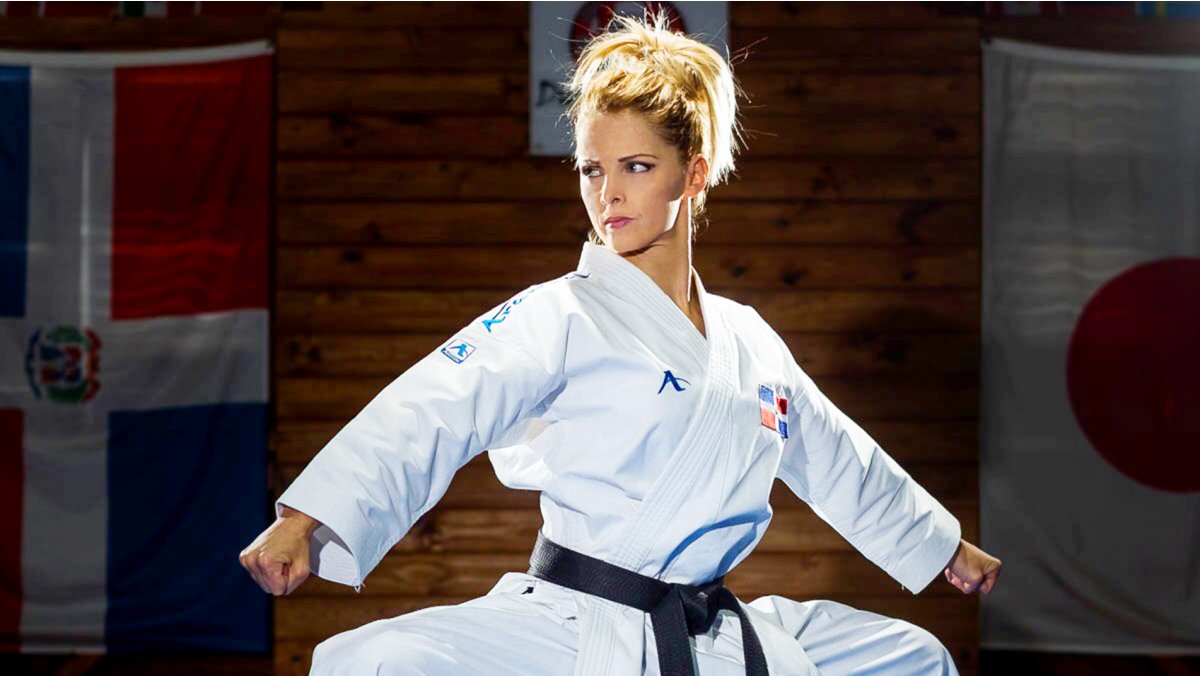
Meet Maria Dimitrova of the Dominican Republic: Karate legend, entrepreneur, humanitarian, former TV star, champion of Karate Values, and true royalty of the sport.
The current Pan American title-holder demonstrated the strength of Karate Values when she decided to take action to help the most vulnerable. While the coronavirus pandemic was in full force in the Dominican Republic, she intervened to assist those who were terribly affected by the devastating epidemic.
Through the foundation that she leads, Dimitrova managed to distribute food and basic necessity items to disadvantaged girls in the Dominican Republic.
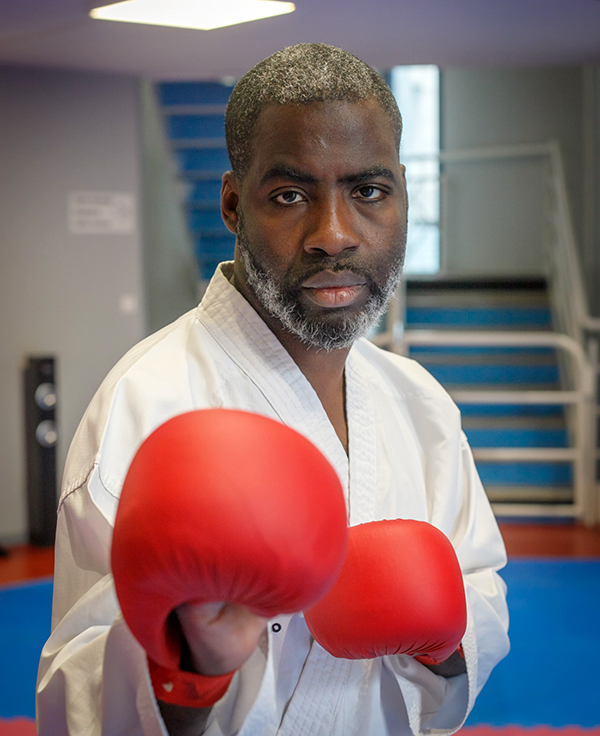
«My strength: Respect». This aphorism is not only Fodé Ndao’s club motto; it is one of the precepts that rule his existence and one of the principles that make him a «champion» of the Karate Values.
In this new episode of WKF’s series #KarateValues, we introduce Senegal’s Fodé Ndao, coach, former African champion, former World Championships runner-up, and a hard-core advocate of the true ideals of our sport.
FODÉ NDAO, A NATURAL-BORN KARATEKA
Born into a family that passed Karate from generation to generation, Fodé Ndao got in touch with the strengths of the Karate Values at a very early age. His father, Sensei Bouna Ndao managed a Karate club in Dakar (Senegal) which was created with the goal of giving underprivileged youngsters an alternative to delinquency.
Seguis leyendo KarateValues: Fodé Ndao, «Champion for Peace» protecting core values of the sport
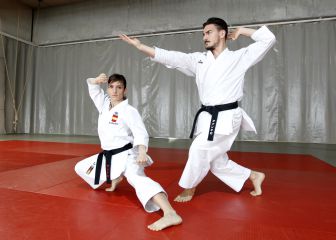
Jesús del Moral, seleccionador nacional de kárate, analizó en EFE las opciones de celebración de los Juegos y cómo ha afectado la pandemia al calendario del kárate.
Así, con «la moral alta» y pensando solo «en el día a día», encara la selección española de katas que dirige Jesús del Moral el runrún sobre la posibilidad de que la pandemia dificulte la celebración de los Juegos Olímpicos de Tokio.
Con Sandra Sánchez y Damián Quintero ya clasificados para la gran cita, el equipo debe seguir entrenándose sin hacer caso no solo a los rumores de cancelación -«rotundamente falsos», según el COI-, sino también al progresivo aplazamiento de las competiciones internacionales preparatorias.
El caso de los karatecas es particularmente sensible a la incertidumbre, puesto que los Juegos de Tokio serán los primeros para su deporte y, por el momento, los últimos, puesto que la disciplina no ha sido incluida en la edición de París 2024.
https://as.com/masdeporte/2021/01/26/polideportivo/1611666116_384806.html
- « Anterior
- 1
- …
- 28
- 29
- 30
- 31
- 32
- …
- 53
- Siguiente »